
Why Garage Door Insulation Matters More Than You Think
When most homeowners in Chelsea start shopping for a new garage door, they focus on style, color, and price. But one of the most important decisions you'll make has nothing to do with how the door looks — it's whether or not it's insulated.
Michigan winters are no joke. With temperatures regularly dropping well below freezing from December through March, the type of garage door you choose can have a real impact on your home's energy efficiency, comfort, and even the longevity of your belongings. Let's break down the differences between insulated and non-insulated garage doors so you can make the right choice for your home and budget.
What Makes a Garage Door "Insulated"?
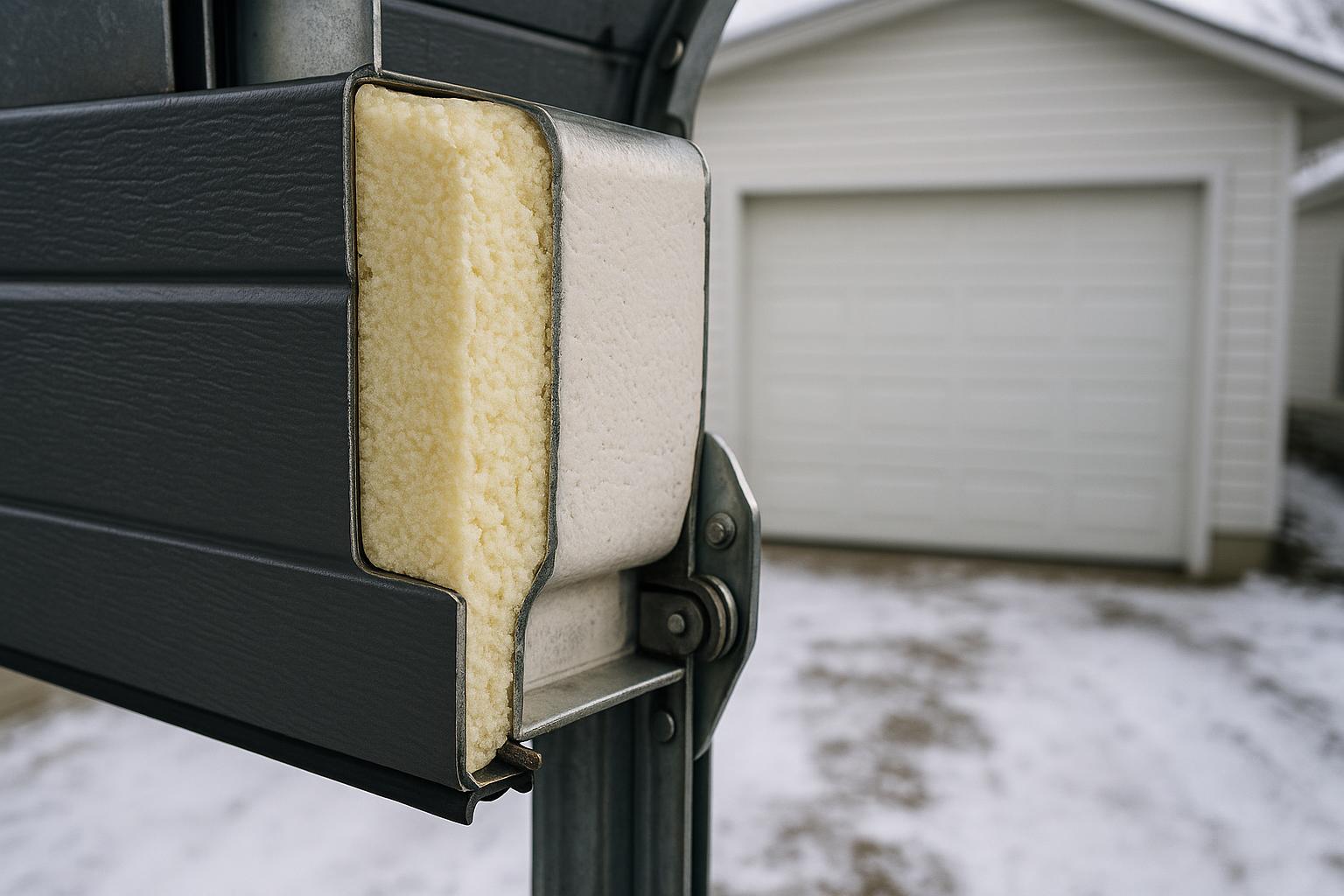
An insulated garage door has a layer of insulation material — typically polystyrene or polyurethane — sandwiched between the door's panels. This insulation creates a thermal barrier that slows the transfer of heat and cold between the inside of your garage and the outside air.
Polystyrene vs. Polyurethane
- Polystyrene insulation consists of rigid foam boards fitted into the door panels. It's the more affordable option and provides moderate insulation, typically with an R-value between R-4 and R-8.
- Polyurethane insulation is sprayed directly into the door panels, where it expands and bonds to the steel. It provides superior insulation (R-values of R-12 to R-18 or higher) and also adds structural rigidity to the door.
The R-value measures a material's resistance to heat flow — the higher the number, the better the insulation. For homeowners here in Chelsea and the surrounding areas like Dexter and Saline, a higher R-value can make a noticeable difference during our long, cold winters.
Benefits of an Insulated Garage Door
1. Better Energy Efficiency
Your garage shares at least one wall — and often more — with the heated living space of your home. An uninsulated garage door lets cold air pour in, which forces your furnace to work harder to keep adjacent rooms warm. An insulated door helps maintain a more stable temperature inside the garage, reducing heat loss and potentially lowering your energy bills.
This is especially relevant if your garage is attached to your home, which is the case for the majority of homes in Chelsea neighborhoods.
2. Increased Comfort
If you use your garage as a workshop, home gym, or hobby space, insulation makes a world of difference. An insulated garage door can keep the space 10 to 20 degrees warmer in winter compared to a non-insulated door. That means you can actually use your garage year-round instead of abandoning it from November to April.
3. Noise Reduction
Insulated garage doors are significantly quieter than their non-insulated counterparts. The insulation dampens vibrations and reduces the rattling and banging that single-layer steel doors are known for. If your bedroom or a child's room is above or next to the garage, this benefit alone can be worth the investment.
4. Greater Durability
Insulated doors — especially those with polyurethane foam — are structurally stronger than single-layer steel doors. They resist dents better, hold up against wind pressure, and generally last longer. This added durability is a practical advantage when you consider the occasional severe weather we get in Washtenaw and Jackson counties.
5. Protection for Stored Items
Extreme temperature swings can damage items stored in your garage. Paint cans can freeze and become unusable. Power tools can develop condensation that leads to rust. Even your car's battery life is affected by prolonged exposure to bitter cold. An insulated door helps buffer these temperature extremes and protects your belongings.
When a Non-Insulated Door Might Be Fine
Insulated doors aren't always necessary. A non-insulated garage door could be the right choice if:
- Your garage is detached from your home and you don't spend time in it during winter.
- You're on a tight budget and need a functional door at the lowest cost. Non-insulated single-layer steel doors are the most affordable option on the market.
- You live in a mild climate — though this doesn't really apply to those of us in Michigan.
- The garage is used strictly for parking and you don't store temperature-sensitive items there.
That said, even in these situations, many homeowners find that the noise reduction and added durability of an insulated door are worth the modest price increase.
How Much More Does an Insulated Garage Door Cost?
The price difference between an insulated and non-insulated garage door is smaller than most people expect. For a standard two-car garage door, you might pay anywhere from $200 to $600 more for an insulated model, depending on the type of insulation and the door's construction.
When you factor in potential energy savings, reduced wear on your HVAC system, and the longer lifespan of an insulated door, most homeowners recoup that extra cost within a few years. It's one of those upgrades that pays for itself over time.
What About Adding Insulation to an Existing Door?
If you already have a non-insulated garage door and aren't ready for a full replacement, you can purchase aftermarket insulation kits. These kits typically use rigid foam or reflective barrier panels that you cut to size and attach to the inside of each door panel.
While aftermarket insulation is better than nothing, it has limitations:
- It doesn't provide the same R-value as factory-insulated doors.
- It can add weight to the door, which may require a spring adjustment to keep everything balanced and safe.
- It may void the door manufacturer's warranty.
If you're considering this route, it's a good idea to have a professional check your door's springs and opener to make sure they can handle the added weight. Our team at Chelsea Garage Door can evaluate your setup and let you know if a retrofit makes sense or if a new insulated door would be the better investment.
Choosing the Right Door for Your Chelsea Home
Here's a simple way to think about it: if your garage is attached to your house and you live in a place with real winters — which, living in Chelsea, you definitely do — an insulated garage door is almost always worth the investment. The energy savings, comfort, quiet operation, and durability add up to real value over the life of the door.
If you're building a new home in the area, or if your current door is nearing the end of its life, this is the perfect time to consider upgrading to an insulated model. We work with homeowners throughout Chelsea, Manchester, Grass Lake, and Stockbridge to find the right door for their needs and budget.
Need Help Deciding? We're Happy to Talk It Through
Choosing a garage door is a big decision, and you don't have to figure it out alone. At Chelsea Garage Door, we help homeowners compare options, understand the real-world differences, and pick a door that makes sense for how they use their garage. Whether you're leaning toward insulated or non-insulated, we'll give you honest advice — no pressure, no upselling.
Give us a call or reach out online to schedule a free consultation. We'll take a look at your current setup, talk through your options, and provide a straightforward quote. We treat every customer like a neighbor, because around here, you probably are one.